12 Dec
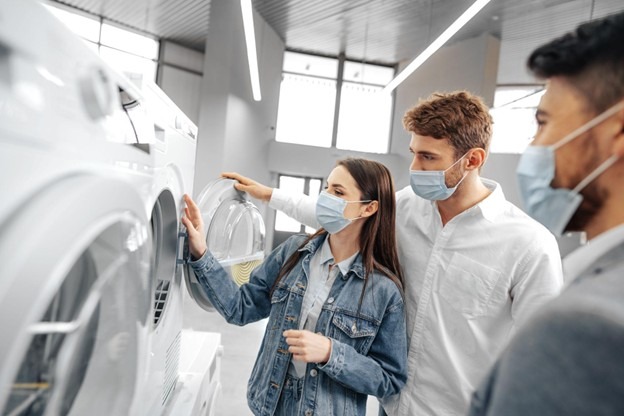
The washing sector is one of the best instances of how convenience has become the new currency of modern life. A routine service has changed into a high-end, time-saving experience as individuals manage hectic schedules and quicker urban lifestyles.
The rise of dry cleaning pick-up and delivery marks a significant turning point, blending traditional garment care with digital accessibility and last-mile logistics. What began as a speciality product has swiftly expanded to become the go-to option for families, professionals, and even companies that require dependable turnaround without disrupting their regular operations.
This momentum is fueled by cutting-edge technology, flexible service models, and growing consumer desires for hassle-free solutions. In addition to providing convenience, this new strategy is altering how customers interact with cleaners and how cleaners operate in the background.
In this guide, you’ll explore the rising demand for pickup and delivery, how the market is expanding, why customers and businesses are adopting it, how the operations work behind the scenes, and real case studies that demonstrate its impact.
Quick Snapshot: Why Dry Cleaning Pick-Up and Delivery Matters Today
Dry cleaning pick-up and delivery counts today because people want services that support busy routines without adding extra effort. Convenient clothing care has become a sensible option for many households due to growing workloads, lengthy commutes, and changing lifestyles.
Consumers now favour time-saving solutions that deliver reliable outcomes without requiring them to visit a business. Companies that use this strategy maintain their competitiveness by meeting contemporary demands for prompt, dependable service.
Brands like Love2Laundry trusted laundry services highlight how accessible and reliable this approach has become in cities around the world. This service is becoming a commonplace aspect of daily life as demand increases.
Market Snapshot: How Big and Fast the Pickup & Delivery Segment is Growing
The market for dry cleaning pick-up and delivery is expanding quickly as more people shift toward convenient, app-based services. Growing urban populations and rising demand for hassle-free garment care are pushing this segment forward at a strong pace.
New providers and tech-driven platforms are entering the space, creating steady growth across major cities. Here are the two main reasons:
Global Numbers and Projected Growth
Global interest in dry cleaning pick-up and delivery is rising as the on-demand laundry market continues to expand across major regions. Forecasts indicate continued growth driven by the increased use of app-based services and hectic lifestyles.
Large customer bases are now supported by more suppliers using digital platforms and intelligent routing algorithms. This increasing trend indicates the long-term prospects for companies to enter or grow within the industry.
Where Growth is Promptest (markets and customer segments)
Cities with dense populations and fast-paced work cultures show the strongest demand, especially among young professionals and families seeking dependable garment care.
Hospitality and corporate sectors are also adopting services offered by Love2Laundry, trusted laundry services, and similar brands.
These customer groups value quick pick-ups, consistent delivery schedules, and easy digital booking. As these preferences spread, the fastest growth continues to appear in urban hubs across Europe, North America, and Asia.
Why Consumers Choose Pick-Up and Delivery for Dry Cleaning
Consumers choose dry cleaning pick-up and delivery because it fits easily into fast-paced routines and removes the need to travel to a store. Many prefer having their garments collected and returned at set times that match their daily schedule.
This model gives customers a simple way to manage clothing care without added effort. They also appreciate consistent quality, predictable turnaround, and transparent pricing. People also expect their clothes to be washed with the best laundry detergents for modern homes because they trust them. As more people rely on digital services, this option feels practical and comfortable for regular use.
Business Case: Why Shops Add Pick-Up & Delivery Services
To reach a larger audience and attract clients who favour practical solutions, stores offer pickup and delivery services. By using planned tours to cover larger service regions, this approach helps cleaners increase order volume.
When combined with corporate accounts, recurring customers, and subscriptions, it also promotes consistent revenue. Many companies use digital tools to handle orders, drivers, and client communications, resulting in more efficient, well-organised operations. Cleaners improve their competitiveness and foster enduring client loyalty by providing this service.
How Pick-Up and Delivery Operations Actually Work
The process behind dry cleaning pick-up and delivery runs through a clear system that keeps orders moving on time. Every step is organised to make collection, cleaning, and delivery smooth for customers and efficient for businesses.
As demand for dry cleaning pick-up and delivery grows, well-structured operations help cleaners serve larger areas with consistent results. Here’s a detailed look at the process:
Scheduling & Routing
Customers begin the scheduling process by using an app or website to choose their desired collection and return times. To create efficient delivery routes for drivers, the company bundles adjacent orders.
This strategy maintains everyday operations while reducing travel time. Cleaners can handle more pickups in a single shift and keep deadlines consistent with a well-planned route.
Garment Handling: Tracking, Labelling, and Quality Control
To record every item before it enters the cleaning cycle, each garment is labelled at pickup. The team may follow the item through the sorting, finishing, and packing stages with the aid of this step.
Quality checks are conducted at various intervals to ensure uniformity and prevent confusion. The aim is to return each item of clothing clean, ironed, and usable.
Tech Stack: Apps, POS, and Integrations
The entire workflow, from order placement to payment and route assignment, is supported by apps and point-of-sale systems. These solutions make it easier for employees to handle high request levels and provide clients with real-time updates.
Businesses may maintain organisational efficiency as demand rises by integrating delivery apps, routing technologies, and customer databases. A robust tech infrastructure supports smooth everyday operations and dependable service.
Real-world Examples and Mini Case Studies
Real examples show how dry cleaning pick-up and delivery create strong results for different types of businesses.
- One major startup scaled rapidly by leveraging innovative routing software and a user-friendly app, resulting in higher retention and steady month-over-month revenue growth.
- A local cleaner added delivery as a service and saw a noticeable increase in repeat orders, along with a broader customer base in nearby neighbourhoods.
- By working with a delivery-focused cleaning service, a hotel in the business-to-business sector was able to shorten the time it took to handle laundry and cut expenses by scheduling large pickups.
These examples demonstrate how this paradigm benefits both small and large operators. Better convenience and efficient service management are the driving forces behind each example’s success.
Conclusion and Quick Takeaways
The rise of dry cleaning pick-up and delivery shows how convenience and smart operations are shaping the future of garment care. Customers value time-saving services that fit their everyday schedules.
Digital tools, expanded service areas, and consistent recurring orders are all advantageous to businesses. Both parties benefit from efficient routing, high-quality handling, and straightforward booking systems.
Modern laundry habits are clearly becoming more prevalent, as evidenced by the increasing demand in cities. Case studies from local cleaners, startups, and B2B partners demonstrate real-world increases in sales and client loyalty.
As individuals search for dependable, workable answers, this model continues to grow. The trend suggests that pick-up and delivery will become commonplace in the future.