26 Jan
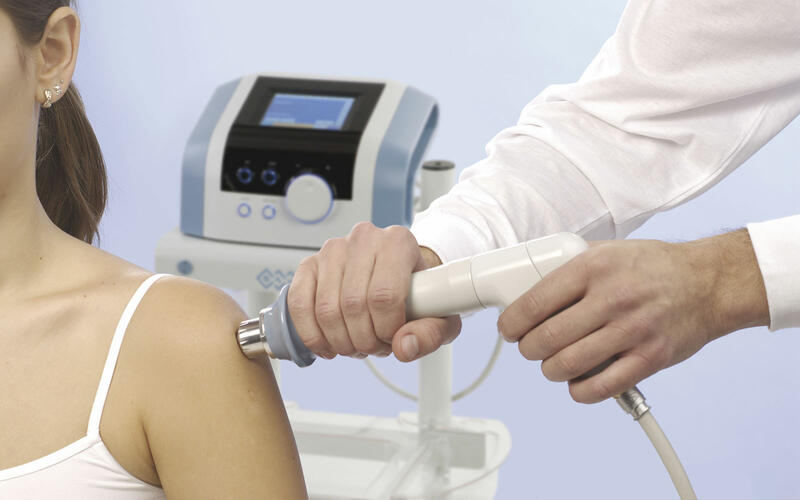
Chronic pain and musculoskeletal injuries affect millions of people worldwide, limiting mobility, productivity, and quality of life. Traditional treatments such as medication, injections, and surgery are often effective, but they can also come with risks, side effects, and long recovery times. In recent years, extracorporeal shock therapy (also known as extracorporeal shockwave therapy or ESWT) has emerged as a powerful, non-invasive alternative for treating a wide range of pain-related and orthopedic conditions.
This article explores what extracorporeal shock therapy is, how it works, the conditions it treats, its benefits, and why it is becoming an increasingly popular solution in modern healthcare.
What Is Extracorporeal Shock Therapy?
Extracorporeal shock therapy is a non-surgical medical treatment that uses high-energy acoustic (sound) waves to stimulate healing in damaged tissues. The term “extracorporeal” means “outside the body,” indicating that the shockwaves are generated externally and transmitted into the body without any incisions or invasive procedures.
Originally developed for breaking down kidney stones (lithotripsy), the technology has since evolved and is now widely used in physiotherapy, sports medicine, orthopedics, and rehabilitation medicine to treat pain and promote tissue regeneration.
How Does Extracorporeal Shock Therapy Work?
Extracorporeal shock therapy works by delivering controlled acoustic waves into targeted areas of the body. These shockwaves create microtrauma at the cellular level, which stimulates the body’s natural healing response.
The biological effects include:
- Increased blood circulation to the affected area
- Stimulation of collagen production
- Activation of tissue regeneration
- Breakdown of calcified deposits
- Reduction of inflammation
- Pain signal modulation in nerve endings
Instead of masking pain, ESWT targets the root cause of the problem by promoting real biological healing.
Conditions Treated with Extracorporeal Shock Therapy
Extracorporeal shock therapy is widely used for chronic and acute musculoskeletal conditions, especially those that do not respond well to conventional treatments.
Common Conditions Include:
- Plantar Fasciitis
One of the most common uses of ESWT. It is highly effective for chronic heel pain and inflammation.
- Tennis Elbow (Lateral Epicondylitis)
Shock therapy helps stimulate tendon healing and reduce persistent elbow pain.
- Achilles Tendinitis
ESWT promotes tissue repair in the Achilles tendon, improving mobility and reducing pain.
- Shoulder Pain and Calcific Tendinitis
It helps dissolve calcium deposits and improves shoulder function.
- Knee Pain and Patellar Tendinitis
Shockwaves improve circulation and tissue recovery in the knee region.
- Hip Pain and Bursitis
Used to reduce inflammation and improve joint movement.
- Muscle Trigger Points and Myofascial Pain
ESWT relaxes tight muscle fibers and improves blood flow.
Because of its versatility, extracorporeal shock therapy is now a standard option in many rehabilitation and sports medicine clinics.
Benefits of Extracorporeal Shock Therapy
- Non-Invasive Treatment
No surgery, no injections, and no anesthesia are required. This reduces risk and recovery time.
- Minimal Side Effects
Side effects are usually mild and temporary, such as slight redness, swelling, or soreness.
- Fast Treatment Sessions
A typical session lasts between 10–20 minutes, making it easy to fit into busy schedules.
- No Downtime
Most patients can return to daily activities immediately after treatment.
- Long-Term Healing
Unlike painkillers that only mask symptoms, ESWT promotes natural tissue regeneration and long-term recovery.
- Cost-Effective
It can reduce the need for surgery, long-term medication, and repeated injections.
What Happens During a Treatment Session?
A typical extracorporeal shock therapy session involves the following steps:
- Assessment and Diagnosis
The therapist identifies the exact location and cause of pain. - Preparation
A conductive gel is applied to the skin to improve shockwave transmission. - Application of Shockwaves
The device delivers controlled shockwaves to the targeted area. - Post-Treatment Advice
Patients receive guidance on activity levels, exercises, and follow-up sessions.
Most treatment plans involve 3–6 sessions, depending on the condition and severity.
Is Extracorporeal Shock Therapy Painful?
Patients often describe the sensation as uncomfortable but tolerable. The intensity can be adjusted based on pain tolerance and treatment needs. Any discomfort usually lasts only during the session and subsides quickly afterward.
Who Is a Good Candidate for ESWT?
Extracorporeal shock therapy is suitable for many patients, especially those who:
- Have chronic pain lasting more than 3–6 months
- Have not responded to conventional treatments
- Want to avoid surgery or injections
- Have sports-related injuries
- Suffer from repetitive strain injuries
However, it may not be suitable for:
- Pregnant patients
- People with bleeding disorders
- Those with infections at the treatment site
- Patients with certain nerve or vascular conditions
A professional medical assessment is always required before treatment.
ESWT in Sports and Rehabilitation Medicine
Athletes increasingly use extracorporeal shock therapy because it accelerates recovery without performance-disrupting downtime. It is commonly used in:
- Sports injury rehabilitation
- Post-training recovery
- Chronic tendon injuries
- Muscle strain treatment
- Performance optimization programs
Its ability to promote healing while allowing continued training makes it especially valuable in professional and amateur sports environments.
Scientific Support and Clinical Evidence
Numerous clinical studies support the effectiveness of extracorporeal shock therapy for chronic musculoskeletal pain. Research shows high success rates in conditions such as plantar fasciitis, tennis elbow, and calcific shoulder tendinitis, especially when combined with physiotherapy and rehabilitation exercises.
The Future of Extracorporeal Shock Therapy
As medical technology advances, ESWT continues to evolve. New-generation devices offer better precision, adjustable intensity, and improved treatment targeting. Future applications may expand into regenerative medicine, chronic pain management, and neurological rehabilitation.
With growing clinical acceptance and technological innovation, extracorporeal shock therapy is becoming a cornerstone of non-invasive treatment strategies.
Conclusion
Extracorporeal shock therapy represents a major advancement in modern healthcare. By combining science, technology, and natural healing processes, it offers a powerful alternative to invasive procedures and long-term medication use.
For patients suffering from chronic pain, tendon injuries, and musculoskeletal disorders, ESWT provides hope for recovery without surgery, long downtime, or heavy side effects. Its non-invasive nature, proven effectiveness, and broad range of applications make it one of the most valuable treatment options in contemporary pain management and rehabilitation medicine.
As awareness continues to grow, extracorporeal shock therapy is set to play an even greater role in helping people regain mobility, comfort, and quality of life—naturally, safely, and effectively.