
Rising energy bills continue to challenge UK households, particularly during peak hours when electricity tariffs climb sharply. This has prompted many people to explore more efficient ways to heat their homes while keeping costs under control. As low-carbon heating technologies become increasingly common, one question stands out: Can a heat pump be run more cost-effectively, especially during the most expensive hours of the day?
A growing number of homeowners are finding that pairing a heat pump with a home battery system provides a valuable solution. Together, these technologies offer a way to shift energy use away from high-tariff periods, improve efficiency, and reduce reliance on the grid. By understanding how the two systems operate both independently and as a pair, households can make informed decisions that support comfort, affordability, and long-term sustainability.
Understanding How Heat Pumps Work
A heat pump functions by extracting heat from the air, ground, or water and transferring it into a home using electricity. Rather than generating heat directly, they move it from one place to another, which is what allows them to operate more efficiently than traditional boilers. Under typical conditions, a heat pump can produce several units of heat for every single unit of electricity it consumes, making it one of the most efficient heating technologies currently available.
However, electricity prices vary significantly depending on the time of day. When energy demand peaks—usually in the early mornings and evenings—a heat pump may become more expensive to run simply because the cost per unit of electricity is higher. This creates a challenge for households that rely heavily on electric heating during colder months, as heating needs often coincide with peak pricing periods.
What Home Battery Systems Do
Home batteries are designed to store electricity for later use, allowing households to control not just how much energy they consume but when they consume it. Electricity can be stored from various sources, such as off-peak grid power or solar panels, and then used during times when electricity prices are higher. In this way, the battery acts as a buffer between periods of low-cost electricity and periods of high demand.
Modern home battery systems vary in capacity and output, but most include the essential features needed to support large household appliances such as a heat pump. Key factors include the total amount of energy the battery can hold, how quickly it can discharge that energy, and how efficiently it cycles. When sized correctly, a home battery can deliver enough stored electricity to run a heat pump during peak hours, reducing the cost of heating without requiring any change in household comfort.
How Heat Pumps and Batteries Work Together
Shifting Heat Pump Usage Away from Peak Tariffs
One of the most impactful benefits of combining a heat pump with a home battery is the ability to shift electricity use away from expensive peak-time periods. The battery can charge during the night or during hours when electricity rates are lowest, then release that stored energy to power the heat pump during peak hours. This process, known as time-shifting or load shifting, helps households manage their energy use more strategically.
For homes operating under time-of-use tariffs, this can translate to real savings. Instead of drawing power from the grid when prices surge, the heat pump runs on electricity that was stored earlier at a reduced rate. This approach not only lowers immediate energy costs but also reduces overall strain on the grid during periods of high demand.
Supporting Solar Power for Home Heating
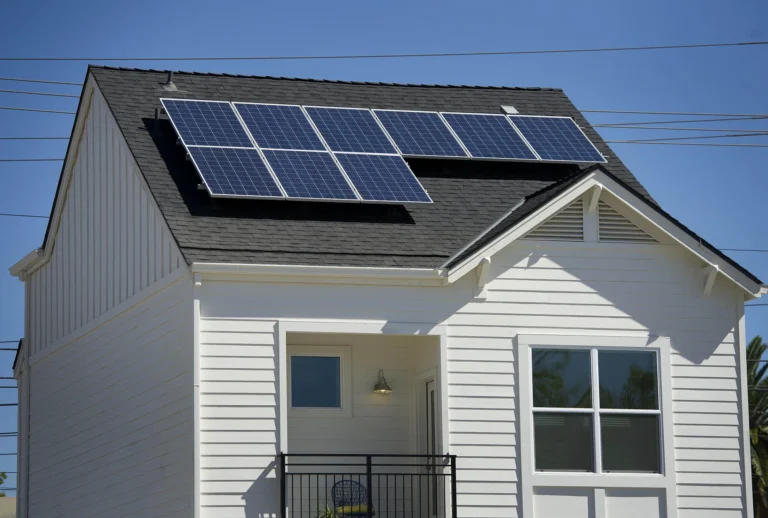
Many UK households now generate their own electricity using rooftop solar panels. While solar power can help offset heat pump running costs, it does not always align with heating demand. Solar energy production peaks in the middle of the day, while heating requirements are usually highest in the morning and evening. Without a battery, much of the excess solar energy produced during midday may be exported back to the grid or left unused.
A home battery solves this mismatch by capturing excess solar power and storing it until the home needs it. This means the heat pump can run on clean, self-generated electricity long after the sun goes down. For households with solar panels, this combination significantly increases self-consumption and reduces dependence on grid electricity during peak times, offering a more stable and predictable energy routine.
Enhancing Grid Stability and Home Resilience
Heat pumps can draw a substantial amount of power during start-up or periods of high heating demand. When multiple households do this simultaneously, the grid experiences increased strain, which can lead to higher prices or instability. Home batteries help smooth these spikes by providing stored electricity to support the heat pump’s operation without pulling extra energy from the grid.
Additionally, a home battery can offer backup power during outages. Although the heat pump may not always run at full capacity during a power cut, the stored electricity can maintain essential household functions and contribute to overall resilience. As the UK transitions toward electrified heating on a national scale, this combined system helps balance energy consumption and improve home-level reliability.
Important Considerations for UK Homes
Sizing the System Correctly
For a battery to effectively support a heat pump, it must be appropriately sized. A typical heat pump may require between one and several kilowatts of power depending on temperature and system design. A practical household storage capacity often ranges from around 5 to 15 kilowatt-hours, although larger homes or those with additional electric loads may need more. Correct sizing ensures that the battery can supply adequate energy during peak hours without being exhausted prematurely.
Households should consider their heating demand, hot water requirements, and any additional high-use appliances when determining appropriate battery capacity. A professional energy assessment can help identify real usage patterns and ensure the combined system is tailored to the home’s needs.
Using Smart Controls for Efficiency
Most modern systems include some form of smart control, allowing homeowners to automate when the heat pump operates and when the battery charges or discharges. These controls can optimise energy use by prioritising off-peak charging, delaying discretionary heating cycles, or coordinating with solar production.
Smart management ensures that the battery retains enough charge for the highest-cost hours of the day. It also helps prevent overloading circuits during times when multiple appliances may be running. EcoFlow offers battery systems designed to integrate with household energy management tools, enabling users to track consumption patterns and set automated charging schedules. In setups like these, homeowners can better align their heat pump operation with stored energy availability. This type of integration supports smoother, more predictable control over daily heating costs.
Recognising Seasonal and Climate Impacts
Since heat pumps draw more electricity during colder weather, battery capacity can be used more quickly in winter than in milder months. This seasonal variation means households may need to adjust their energy strategies depending on the time of year. In winter, careful charging routines and perhaps additional storage capacity may be necessary to maintain consistent cost savings.
Understanding local climate patterns and heating demand helps set realistic expectations about how the system will perform throughout the year. Even with these variations, the ability to shift significant energy use away from peak-time tariffs remains a strong advantage.
Conclusion
As the UK moves toward more sustainable heating solutions, many households are looking for ways to balance comfort with affordability. Pairing a heat pump with a home battery system offers a powerful means of reducing peak-time electricity costs and improving overall energy efficiency. By storing cheaper or self-generated electricity and using it during the most expensive hours, homeowners can gain greater control over their bills while reducing pressure on the national grid.
With thoughtful planning, correct system sizing, and effective energy management, this combination provides a practical pathway toward reliable, low-carbon home heating. As technology continues to advance, the relationship between heat
About the Author