13 May
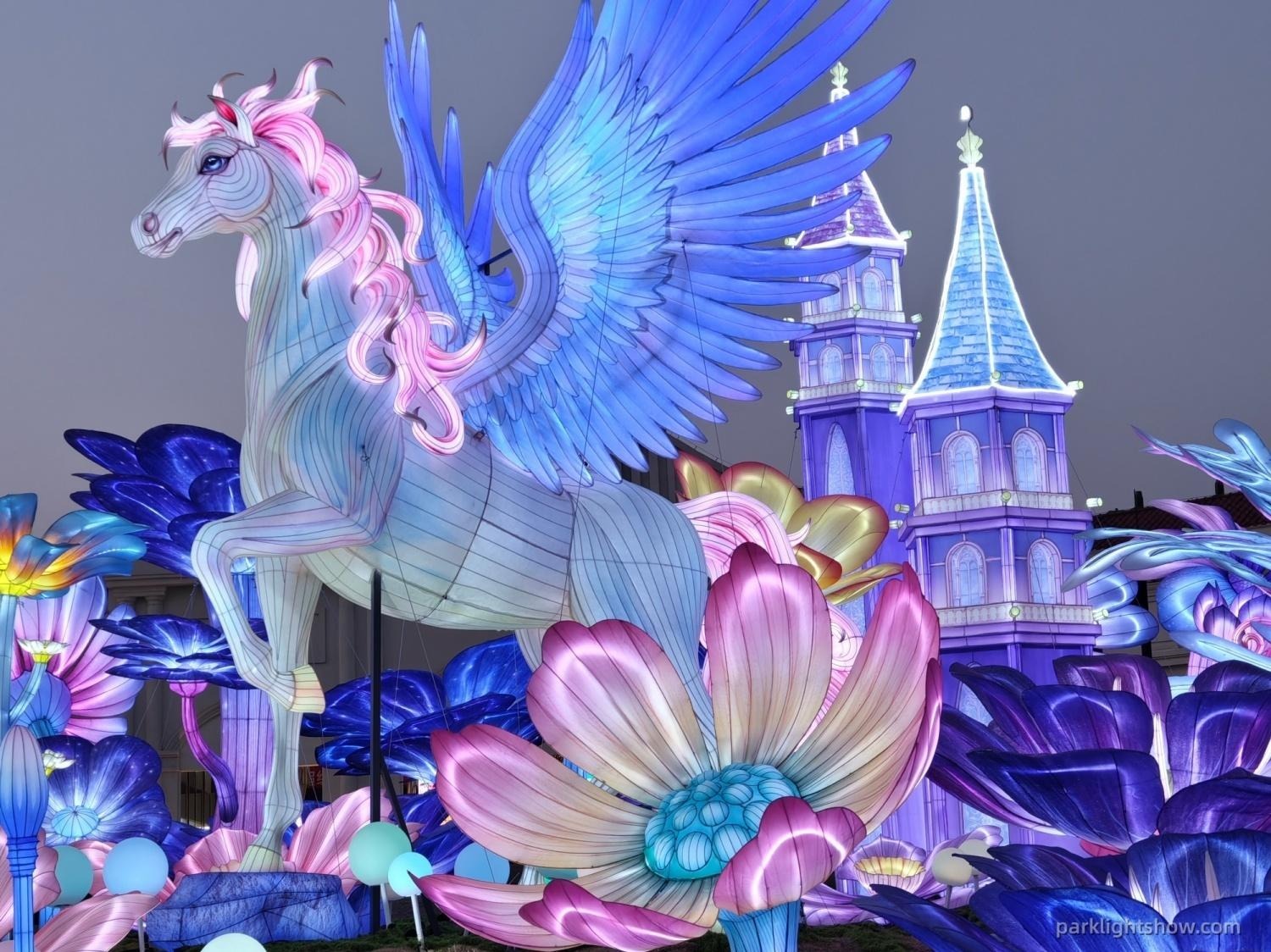
For many tourist attractions, the biggest challenge is not only how to bring visitors during the day, but how to keep them engaged after sunset. Parks, scenic areas, resorts, zoos, cultural destinations, and family entertainment venues are all looking for new ways to extend visitor time, increase evening revenue, and create memorable experiences that people want to share online.
This is one reason why outdoor light shows have become increasingly popular in tourism projects. A well-designed light show can turn a quiet night area into an attractive destination, giving visitors a reason to stay longer, take photos, return with friends, and spend more on food, tickets, souvenirs, and nearby services.
Turning Nighttime Space Into a Visitor Attraction
Many parks and scenic areas already have beautiful landscapes, walking routes, lakes, gardens, plazas, or open fields. However, after dark, these spaces often lose part of their visual value. Without proper lighting design, visitors may leave early, and the venue loses the chance to create evening business.
A creative light show changes this situation. Through illuminated sculptures, lantern installations, themed walking paths, interactive photo spots, music-synchronized lighting, and seasonal displays, an ordinary outdoor space can become a nighttime attraction.
For example, a lakeside area can be transformed with glowing animal lanterns and reflections on the water. A garden path can become a romantic light tunnel. A central plaza can host a large illuminated centerpiece that encourages visitors to take photos and share them on social media.
This kind of visual transformation does not simply decorate the venue. It creates a reason for people to visit at night.
Why Night Experiences Matter for Tourism Revenue
Tourist attractions often rely on daytime traffic, but evening experiences can open a second business window. When visitors stay longer, the venue has more opportunities to generate revenue from multiple areas.
A nighttime light show can support:
- Evening ticket sales
- Food and beverage consumption
- Souvenir and gift shop sales
- Family and group visits
- Festival events and seasonal programs
- Hotel, resort, and nearby commercial activity
- Social media exposure and organic promotion
For venue operators, this means a light show is not only a visual project. It can become part of a broader night tourism strategy.
Many visitors are now looking for experiences that feel special and shareable. A beautiful light display gives them something to photograph, record, and post. This type of user-generated content can bring more attention to the venue without relying only on paid advertising.
Seasonal Themes Create Repeat Visits
One major advantage of outdoor light shows is flexibility. A venue does not need to use the same theme all year. Different seasonal themes can create fresh reasons for visitors to return.
Common themes include:
- Spring flower lantern festivals
- Summer night garden light shows
- Autumn cultural lantern events
- Halloween light trails
- Christmas and winter holiday displays
- New Year countdown lighting events
- Animal, ocean, forest, or fantasy themes
By changing the theme, layout, colors, and story, a park or scenic area can create multiple events from the same basic space. This helps avoid visitor fatigue and gives marketing teams new content to promote throughout the year.
A professional park light show can also be customized based on the venue’s size, visitor flow, local culture, and business goals. Some projects focus on family entertainment, while others focus on cultural storytelling, romantic night walks, city tourism, or festival ticket sales.
Good Design Is More Than Bright Lights
A successful light show is not simply about adding more lights. Good planning is important. The design should consider how visitors move, where they stop, which areas are best for photos, and how the lighting connects with the existing landscape.
Important planning factors include:
- Entrance and first impression
- Main visual attraction
- Walking route and visitor flow
- Photo spots and social sharing areas
- Safety lighting and pathway visibility
- Power supply and installation conditions
- Weather resistance for outdoor use
- Maintenance and storage after the event
- Ticketing, crowd control, and commercial zones
If the layout is poorly planned, even beautiful lighting products may not create the expected business result. A successful project should combine visual design, engineering, operation, and visitor psychology.
For example, the entrance area should quickly tell visitors that they are entering a special event. The main installation should be impressive enough for photos and promotion. Smaller light scenes along the route should keep people moving and discovering new surprises.
Custom Light Shows for Different Types of Venues
Different venues need different solutions. A city park may need a family-friendly seasonal display. A resort may prefer a romantic and premium night garden. A zoo may use animal lanterns to match its theme. A scenic area may want a large cultural lantern festival for parks to attract tourists during a specific season.
This is why customization matters. The same light show design cannot fit every location. A professional supplier should consider the venue’s theme, available space, local weather, visitor age groups, project budget, installation schedule, and expected return.
For large outdoor projects, it is also important to consider modular production, safe installation, waterproof lighting systems, durable frames, and convenient storage. These details directly affect project cost, safety, and long-term use.
Light Shows as a Marketing Tool
A strong light show can also become a powerful marketing asset. Venues can use photos and videos from the project for social media, local advertising, influencer campaigns, tourism promotions, and event announcements.
Short videos are especially effective. A glowing tunnel, giant lantern sculpture, illuminated forest scene, or fantasy-themed entrance can attract attention quickly on platforms such as TikTok, YouTube Shorts, Instagram Reels, and Facebook.
For tourism venues, this visual content is very valuable. It gives potential visitors a clear reason to come: they can see what kind of experience they will get. Compared with ordinary text-based promotion, light show visuals are easier to understand and more emotionally engaging.
Choosing the Right Light Show Partner
Before starting a night tourism project, venue owners should not only compare prices. They should also check whether the supplier can provide creative design, technical planning, production, installation support, and long-term after-sales service.
A good partner should be able to help answer questions such as:
- What theme fits this venue best?
- How should the visitor route be planned?
- Which areas should become photo spots?
- What lighting products are suitable for outdoor weather?
- How can shipping and storage costs be reduced?
- Can the project be reused or adjusted for future events?
- Is on-site installation guidance available if needed?
These questions are important because a light show is not a simple product purchase. It is a complete visitor experience project.
Conclusion
As tourism venues look for new ways to grow revenue and attract visitors, nighttime experiences are becoming more important. A well-planned outdoor light show can turn underused evening space into a powerful attraction, helping parks and scenic areas increase visitor time, create social media exposure, and build new commercial opportunities.
For parks, resorts, scenic areas, zoos, and event operators, investing in a customized light show can be more than decoration. It can become a practical strategy for night tourism growth, seasonal events, and long-term brand value.