29 Mar
Key Takeaways
- Scientific understanding of lightning behavior is essential for risk mitigation.
- Lightning protection systems, when properly designed and maintained, offer substantial risk reduction.
- Staying up to date on innovative materials and best practices further enhances protection.
Table of Contents
- Understanding Lightning Strikes
- Comprehensive Lightning Protection Systems
- Importance of Regular Maintenance
- Adhering to Safety Guidelines
- Innovative Materials for Lightning Protection
- Role of Grounding and Bonding
- Protecting Electronic Systems
- Conclusion
Lightning is one of nature’s most powerful forces, capable of causing catastrophic damage to buildings and their occupants. Each year, thousands of structures are struck by lightning, resulting in fires, power outages, and structural failure. Effective prevention starts with understanding the science of lightning and using technology such as lightning protection software to assess and address vulnerabilities.
Buildings that lack proper protection are at higher risk not only of structural damage but also of damage to sensitive electronics inside. By staying informed about the best safety strategies, building managers and owners can safeguard investments and ensure the well-being of everyone inside.
Meteorologists and engineers continually emphasize the importance of a multifaceted, science-backed approach to lightning risk, given the increasing frequency of severe weather in many regions. Lightning does not strike randomly. Tall buildings, isolated structures, and areas with intense thunderstorm activity are especially vulnerable, making tailored prevention even more critical for modern property management.
Beyond initial installation of protection systems, regular inspection and the adoption of advanced materials can determine whether a building remains safe over time, especially as new technology and research reveal more effective ways to deflect lightning energy and minimize its destructive force.
Understanding Lightning Strikes
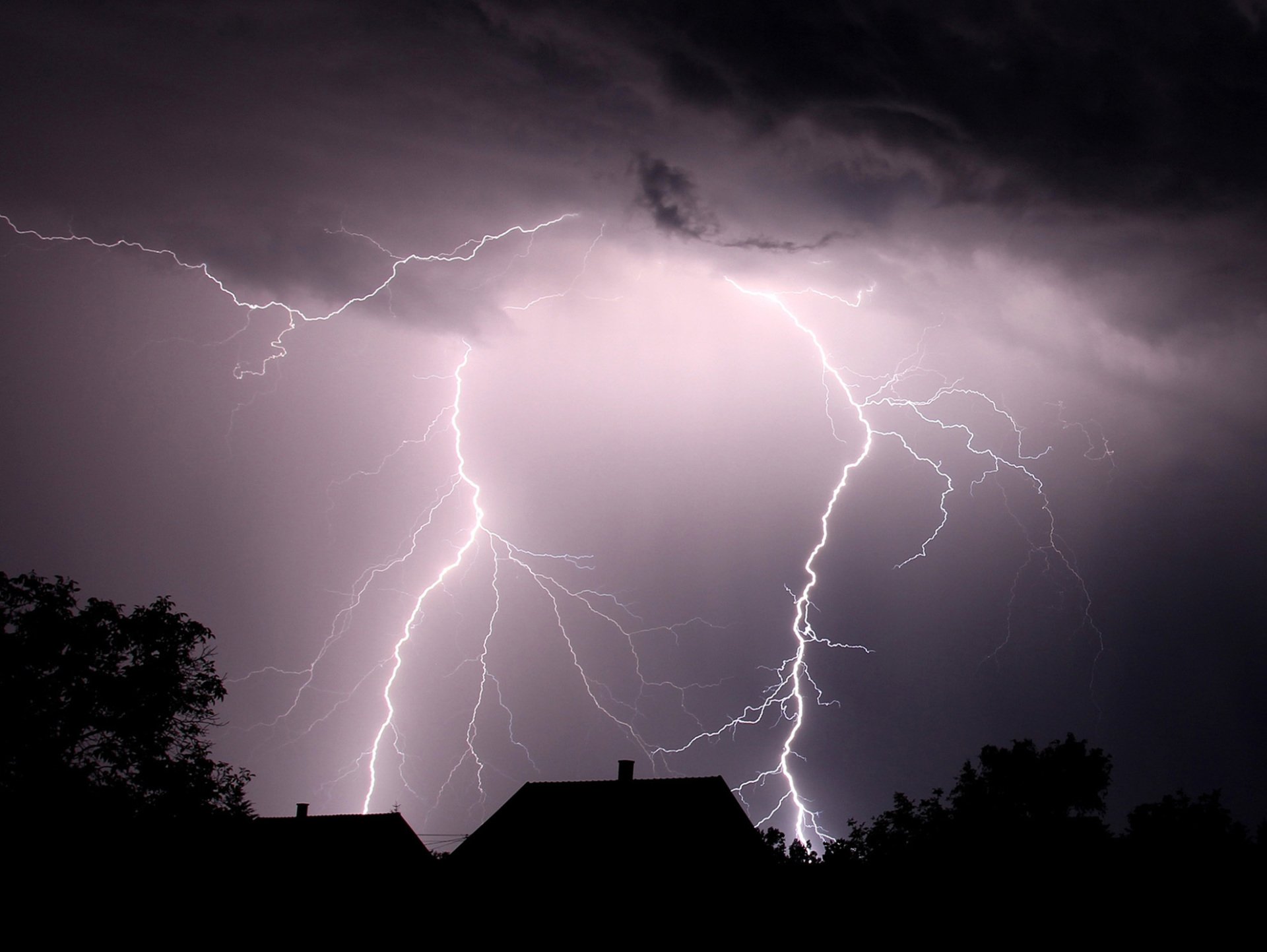
Lightning is an electrostatic discharge that occurs when atmospheric conditions allow for a significant buildup of electrical energy. This powerful phenomenon is most common during thunderstorms, when differences in charge between storm clouds and the ground create extreme voltages. The discharge travels along the path of least resistance, often striking tall structures and causing damage if they are not adequately protected. A single lightning bolt can carry as much as one billion volts of electricity.
Comprehensive Lightning Protection Systems
Modern lightning protection systems are engineered to intercept lightning strikes and provide a controlled path for the electrical current to reach the earth. These systems are composed of several key parts: air terminals (also known as lightning rods), conductors that safely transfer the energy, and ground electrodes that dissipate the charge. The system is designed to protect every part of the structure, including roofs, walls, and critical mechanical systems.
By effectively channeling the electrical current, these systems prevent the high-energy arc of lightning from passing through building materials or initiating electrical fires. The key is ensuring that all components work seamlessly and meet the standards set by organizations such as the National Fire Protection Association.
Importance of Regular Maintenance
No lightning protection system remains effective indefinitely without proper upkeep. Routine checks are needed to inspect all connections and mechanical fittings for corrosion, physical damage, or wear. Severe weather, building renovations, or accidental impacts can degrade a system’s components, often creating gaps in the protection shield.
Maintenance teams should follow a schedule of inspections at least once per year, paying close attention after storms or structural work. Keeping records of all inspections ensures issues are resolved promptly and maintains continuous protection for both the building and its electronic assets.
Adhering to Safety Guidelines
Safety recommendations from institutions such as the Centers for Disease Control and Prevention (CDC) emphasize seeking shelter indoors at the first sign of a thunderstorm and avoiding contact with water or electrical appliances during a lightning storm. Metal plumbing and wiring can easily transmit a strike throughout an entire building, so following these guidelines is crucial while storm activity is ongoing.
Innovative Materials for Lightning Protection
Recent advancements in materials science have introduced superior methods for safeguarding buildings. Composite materials, such as woven carbon fiber panels embedded with stainless steel threads, dramatically enhance protection while remaining flexible for use on complex structures. A study on arXiv demonstrates how these high-tech textiles withstand the heat and energy from lightning impacts far better than traditional materials. These composites are especially valuable for new construction and retrofitting unique architectural designs.
Role of Grounding and Bonding
For lightning protection systems to function as designed, proper grounding and bonding are essential. The ground electrodes must provide a low-resistance pathway to earth, typically with ground resistance below 10 ohms. Regular testing confirms that all metallic building elements, including plumbing and HVAC units, are bonded to minimize the risk of side flashes. Side flashes occur when lightning jumps from unbonded components, potentially igniting a fire or causing injury inside the structure.
Building owners should ensure grounding systems are free of corrosion and physical obstructions, and that they always follow best practices outlined in industry standards and electrical codes.
Protecting Electronic Systems
Surge protection is another critical component for any building. When lightning strikes, the resulting voltage spikes can destroy sensitive electronics, from office computers to security systems. Installing whole-building surge protection devices (SPDs) along with localized point-of-use protectors at outlets significantly reduces this risk. Today, smart SPDs with real-time monitoring and alert features are available, enabling rapid troubleshooting and automated diagnostics, providing even more proactive protection for building managers and IT staff.
Conclusion
Science-based prevention and modern technology have enabled significant reductions in the risk of lightning strikes to buildings. By combining comprehensive lightning protection systems, regular inspections, adherence to safety guidelines, and the latest material innovations, building owners can vastly improve safety, reduce maintenance costs, and protect people and assets from severe weather events. An informed, proactive approach ensures lightning remains a manageable risk, no matter how fierce the storm.