12 Jul
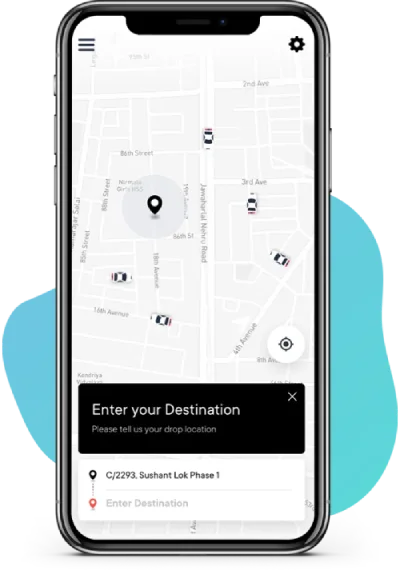
Creating an Uber clone app involves more than replicating the features of the popular ride-hailing service. It requires careful planning, understanding the market, and incorporating innovative functionalities to stand out. This article’ll delve into the essential steps and tips for building a successful Uber clone app, focusing on app development, user experience, and business strategies.
Understanding the Market and Setting Objectives
Conduct Market Research
Before diving into app development, conducting thorough market research is crucial. Understand the current market trends, analyze competitors, and identify the needs and preferences of your target audience. Look into what existing ride-hailing apps are offering and where they might be falling short. This will help you find your unique selling proposition (USP) and tailor your app to meet market demands.
Define Clear Objectives
Set clear and achievable objectives for your Uber clone app. Are you targeting a specific geographic area, or do you plan a global launch? Defining your goals early on will guide your development process and marketing strategies. Your objectives should align with your overall business plan and provide a roadmap for growth.
Key Features to Include in Your Uber Clone App
User-Friendly Interface
A successful Uber clone app must prioritize user experience. Design an intuitive and easy-to-navigate interface for both drivers and passengers. The registration process should be straightforward, and all features should be accessible with minimal clicks.
Real-Time GPS Tracking
Real-time GPS tracking is a core feature of any ride-hailing app. Ensure your app provides accurate and reliable tracking for both drivers and passengers. This feature enhances safety, allows passengers to track their ride’s progress, and helps drivers find the best routes.
Multiple Payment Options
Integrate multiple payment options to provide convenience to your users. Include credit/debit cards, digital wallets, and even cash payments. Secure payment gateways are essential to protect user data and build trust.
Ride Scheduling and Ride History
Allow users to schedule rides in advance and view their ride history. This feature is particularly useful for business travellers who plan their trips meticulously. Ride history helps users keep track of their travel expenses and provides valuable data for app improvements.
In-App Communication
Facilitate seamless communication between drivers and passengers through in-app messaging and calling. This eliminates the need to share personal contact information and enhances user privacy.
The Development Process
Choose the Right Technology Stack
Selecting the right technology stack is fundamental to your app’s success. For an Uber clone app, consider using:
- Frontend: React Native or Flutter for a responsive and high-performance user interface.
- Backend: Node.js or Python for scalable and efficient server-side operations.
- Database: MongoDB or PostgreSQL for handling large volumes of data.
- APIs: Google Maps API for navigation and location services.
Agile Development Methodology
Adopt an agile development methodology to ensure a flexible and iterative process. Agile allows you to make incremental improvements based on user feedback and changing market conditions. Regular updates and enhancements keep your app relevant and competitive.
Test Rigorously
Testing is a critical phase in app development. Perform extensive testing to identify and fix bugs, ensure smooth functionality, and optimize performance. Test your app on different devices and operating systems to provide a consistent user experience.
Marketing Strategies to Promote Your Uber Clone App
Leverage Social Media
Social media platforms are powerful tools for promoting your app. Create engaging content, run targeted ads, and interact with your audience to build a community around your brand. Use platforms like Facebook, Instagram, and Twitter to reach potential users and generate buzz.
Offer Launch Promotions
Attract early adopters with launch promotions such as discounted rides, referral bonuses, and loyalty programs. These incentives can drive initial downloads and encourage user retention.
Collaborate with Influencers
Partner with influencers and bloggers in the transportation and travel niches to increase your app’s visibility. Influencer endorsements can boost credibility and reach a broader audience.
Monetization Strategies
Commission-Based Model
The commission-based model is one of ride-hailing apps’ most common monetization strategies. Charge a commission fee for every ride completed through your platform. Ensure the fee is competitive yet profitable.
Subscription Plans
Offer subscription plans for frequent riders and drivers. These plans can include reduced commission fees, priority support, and exclusive discounts.
In-App Advertisements
Integrate in-app advertisements to generate additional revenue. Ensure that ads are non-intrusive and relevant to the users to maintain a positive user experience.
Ensuring Legal Compliance
Obtain Necessary Licenses
Comply with local regulations and obtain the licenses to operate your ride-hailing service. Each region may have different requirements, so consult with legal experts to ensure full compliance.
Implement Safety Measures
Incorporate safety features like driver background checks, SOS buttons, and real-time ride monitoring. Safety is a top priority for users, and implementing robust safety measures can significantly enhance your app’s reputation.
Continuous Improvement and Updates
Gather User Feedback
Gather feedback from users regularly to understand their needs and pain points. Use this feedback to make informed decisions about new features and improvements.
Stay Updated with Technology Trends
The tech landscape constantly evolves, and staying updated with the latest trends is crucial. Incorporate new technologies like AI and machine learning to enhance user experience and stay ahead of the competition.
Conclusion
Building a successful Uber clone app requires thorough market research, meticulous planning, and continuous improvement. By focusing on the user experience, integrating essential features, and employing effective marketing strategies, you can create a ride-hailing app that competes with and surpasses existing platforms. Stay adaptable, listen to user feedback, and leverage the latest technologies to ensure your app remains relevant and successful in the ever-evolving app development landscape.