26 Nov
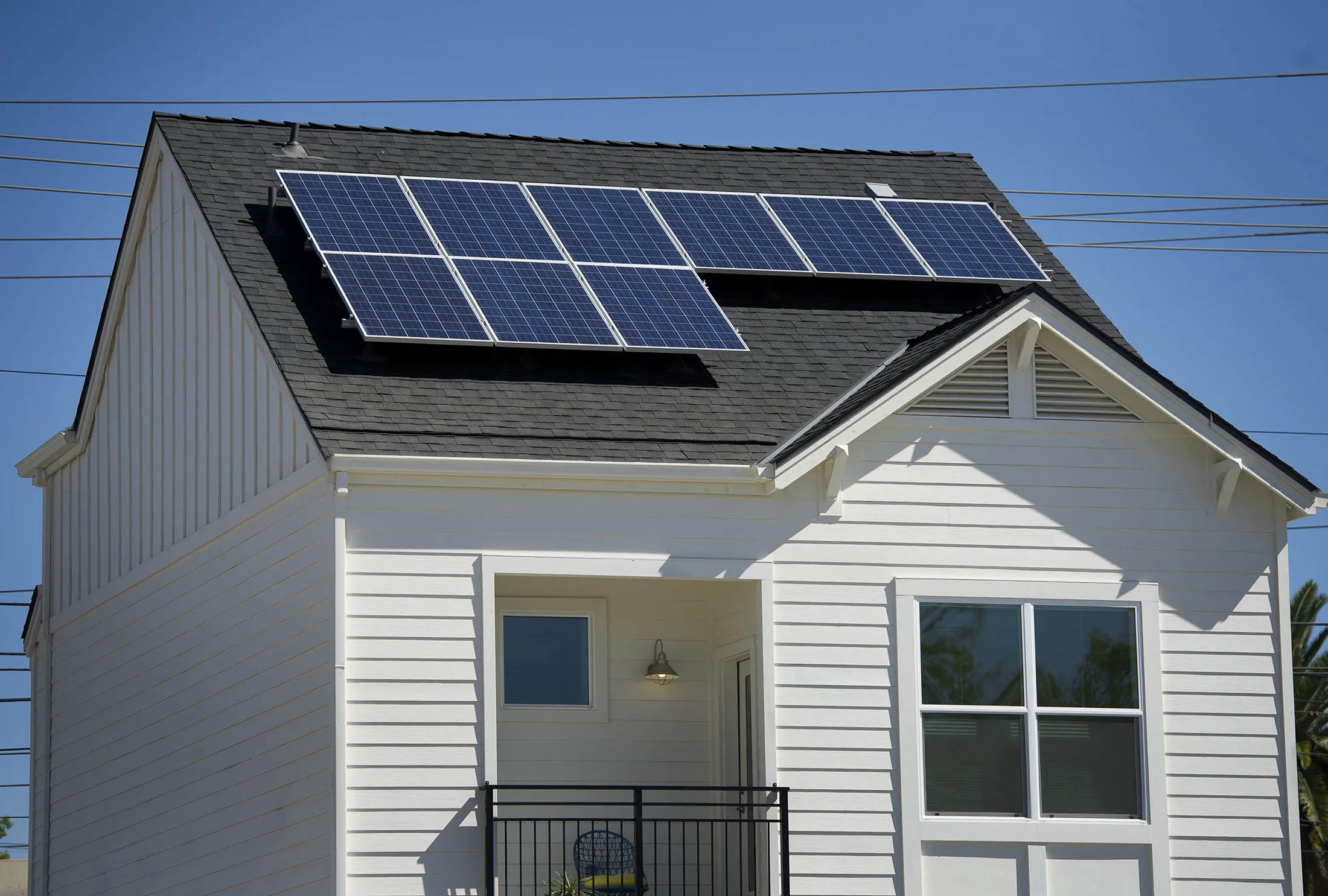
A solar panel doesn’t need blazing Mediterranean sunshine to be useful. In the UK, what matters most is consistent daylight — and that’s exactly what well-planned solar panels for home use are designed to capture. With roofs increasingly doubling as quiet power stations, many households are exploring solar not as a trend, but as a sensible home upgrade that fits modern living.
This guest post walks through the practical side of home solar in the UK: how systems behave through the seasons, what makes a property a good match, and how to think about usage so solar works with your routine rather than against it.
The UK solar reality: it’s about daylight, not heat
One of the biggest myths around solar panels is that they only work in hot, cloudless climates. In reality, panels generate electricity from light, not temperature. That means they can still produce energy on cool days and in overcast conditions — just at a lower rate than peak summer afternoons.
Here’s what that looks like in practice:
- Long summer days provide strong, steady generation.
- Short winter days reduce total output, but rarely to zero.
- Cloud cover softens production, yet daylight still drives generation.
A good home system is planned with these rhythms in mind, balancing seasonal dips with year-round usefulness.
How solar panels fit into a typical household routine
Home solar works best when it aligns with how you already live. The key idea is simple: your home uses solar electricity first, before importing from the grid.
So the real value isn’t only what you generate — it’s when you use it.
A few everyday patterns that pair well with solar:
- Running appliances in the day (washing machine, dishwasher, tumble dryer)
- Working from home and using power in daytime spaces
- Charging devices or EVs during daylight hours when possible
- Cooking earlier or using slow cookers through the day
None of this requires a lifestyle overhaul. Small timing shifts can help a home use more of its own solar power naturally.
What makes a roof a strong candidate?
Many people assume their roof needs to be “perfect” for solar. In reality, plenty of UK homes are suitable with thoughtful design. A survey is always essential, but a few factors tend to matter most.
Orientation
- South-facing roofs generally deliver the most balanced annual generation.
- East-facing roofs capture morning light well.
- West-facing roofs suit afternoon and evening use patterns.
North-facing roofs often generate less, but may still work as part of a split layout in some cases.
Shading
Shading doesn’t automatically rule out solar, but it does affect placement. Typical sources include:
- Tall nearby trees
- Chimneys and dormers
- Neighbouring properties
- Satellite dishes or roof features
Modern system layouts usually avoid shaded sections rather than forcing panels into low-performance spots.
Roof condition
Solar panels last a long time, so your roof should be in reasonable shape too. If a roof needs structural work soon, it’s better to address that first. A stable roof means a stable system.
Understanding the core parts of a home solar system
A home solar panel setup is relatively straightforward, even if the tech sounds complicated at first.
Most systems include:
- Solar panels that convert daylight into DC electricity
- An inverter that turns DC into AC for household use
- A generation meter that tracks output
- Optional battery storage that holds excess daytime power for later
Your home automatically draws from solar first, then grid electricity if needed. If you generate more than you use, energy can be exported. Under the Smart Export Guarantee (SEG), eligible exports may be credited by participating suppliers.
Do you need a battery?
Batteries are useful, but not mandatory. Whether they make sense depends on your home’s pattern of use.
A battery can help if:
- Your home uses most electricity in the evening
- You want more solar power after dark
- You regularly export excess electricity in the day
- You’re pairing solar with EV charging or electric heating
However, many households start without storage and add it later once they understand their generation and usage patterns.
The smart approach is to plan the system with battery-readiness in mind, even if you don’t install one immediately.
What happens during power cuts?
This often surprises people: standard home solar systems typically switch off during a grid outage.
That’s a safety feature. It stops electricity being pushed to the grid while engineers may be working on lines.
Some setups can be designed with backup capability, but it requires extra planning and the right components. If resilience is important for your household, it’s worth considering early during system design.
Solar panels and property types: what to consider
Solar is common on detached, semi-detached, and terraced houses, but property type can shape what’s possible.
Flats or shared buildings
Solar can still work, but the roof is shared. You’ll usually need:
- Agreement from the freeholder or management company
- A clear plan for ownership and access
- An installer familiar with shared-roof layouts
Listed buildings or conservation areas
In sensitive areas, appearance rules can apply. Panels may need to sit more discreetly or be approved first. A good installer will flag this and guide you through what’s allowed.
Extensions and complex roofs
Homes with dormers, skylights, or multiple angles often just need a smarter layout. Panels can be split across sections to maximise exposure.
Monitoring your system: small habit, big insight
Most modern systems come with monitoring tools that track your generation and usage in near real time. This helps homeowners understand how solar fits their day.
Monitoring lets you notice:
- When your home is exporting surplus
- Which days are strongest for production
- How household routines affect self-use
- Whether anything looks unusual or needs checking
It’s also a handy way to spot small changes that improve how much of your solar power you consume at home.
Keeping expectations realistic (and positive)
Solar panels for home use are not magic. They’re a steady, low-maintenance technology that performs best when expectations match reality.
A good way to frame it:
- Solar reduces your reliance on imported electricity.
- It won’t remove it completely in the UK climate.
- Performance varies with season — and that’s normal.
- The long-term benefit comes from consistent, year-round contribution.
When homeowners think in those terms, solar feels less like a gamble and more like a measured home improvement.
Conclusion
In the UK, home solar is about making daylight work harder for your household. Solar panels generate electricity reliably in British conditions, especially when paired with sensible roof placement and everyday habits that suit daytime production.
The best results come from matching a system to your home — roof shape, shading, and how you use electricity — rather than chasing an idealised version of solar. With realistic expectations and a design that fits your property, solar panels for home use can become a quiet, dependable part of modern living.