30 Apr
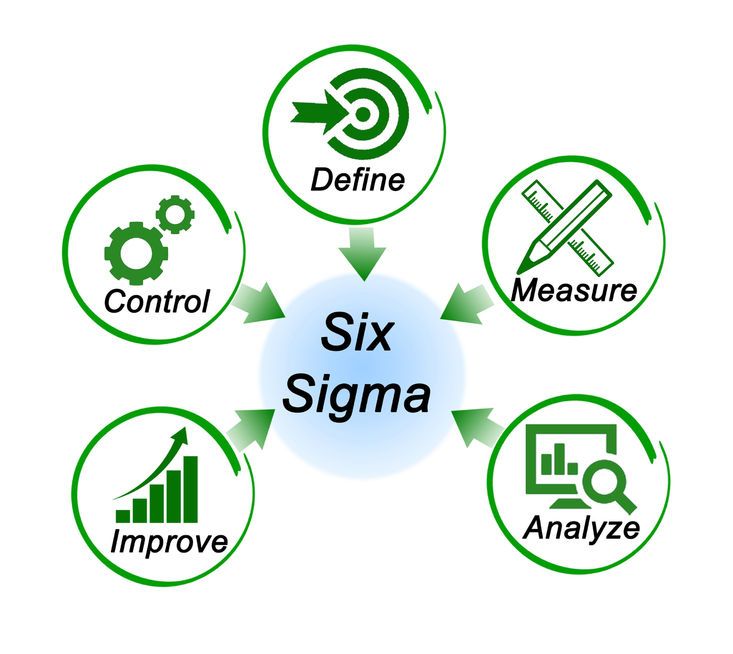
In today’s competitive business landscape, professionals and organisations alike are constantly looking for ways to improve efficiency and reduce waste. Lean Six Sigma has emerged as one of the most respected methodologies for achieving exactly that. Understanding what it offers and how to get started is the first step towards meaningful change.
What is Lean Six Sigma and why does it matter?
Lean Six Sigma is a data-driven methodology that combines two powerful approaches: Lean, which focuses on eliminating waste, and Six Sigma, which targets process variation and defects. Together, they create a framework that helps organisations streamline operations, cut costs, and deliver higher quality outcomes.
Businesses across industries including manufacturing, healthcare, finance, and logistics have adopted Lean Six Sigma to solve complex operational problems. The methodology is not just a management trend. It provides structured tools and techniques that teams can apply directly to real-world challenges.
For professionals, gaining expertise in this field signals a strong commitment to continuous improvement. Employers actively seek candidates who can lead projects, interpret data, and drive measurable results. Investing in recognised training is therefore both a personal and professional advantage.
Choosing the right level of training for your goals
Lean Six Sigma training is structured around a belt system, much like martial arts. Each level builds on the previous one and prepares professionals for different roles within improvement projects.
The Yellow Belt is typically the entry point, providing a broad overview of the methodology and its key principles. It is well suited to team members who support improvement projects without necessarily leading them.
The Green Belt is where many professionals choose to begin their deeper journey into process improvement. Completing a six sigma green belt course equips you with the analytical skills to lead projects, apply statistical tools, and deliver measurable improvements within your organisation.
The Black Belt and Master Black Belt represent the highest levels of expertise. These practitioners typically lead large-scale transformation programmes and mentor others within the organisation.
How to find quality training in the UK
When selecting a training provider, it is important to look beyond price and consider factors such as accreditation, course content, and practical application. A strong provider will offer both in-person and online formats to suit different learning preferences and schedules.
The Lean Six Sigma Company is a well-established provider offering structured programmes across all belt levels. Those looking for a structured introduction to the methodology can explore a range of Lean Six Sigma courses that are designed to be practical, engaging, and applicable from day one.
Choosing the right training can be a turning point for both individual careers and entire organisations. With the right foundation in place, teams are better equipped to identify inefficiencies, solve problems systematically, and build a culture of continuous improvement that delivers lasting results.